A more supportive planning system does not make a development commercially sound.
The new National Planning Policy Framework creates opportunities for developers, with greater emphasis on making effective use of land, bringing previously developed land forward and supporting proposals which remediate derelict, contaminated or unstable sites.
But obtaining planning permission is only part of the commercial equation.
The more important question is whether the development still works once the risks attached to the site have been properly identified, priced and allocated.
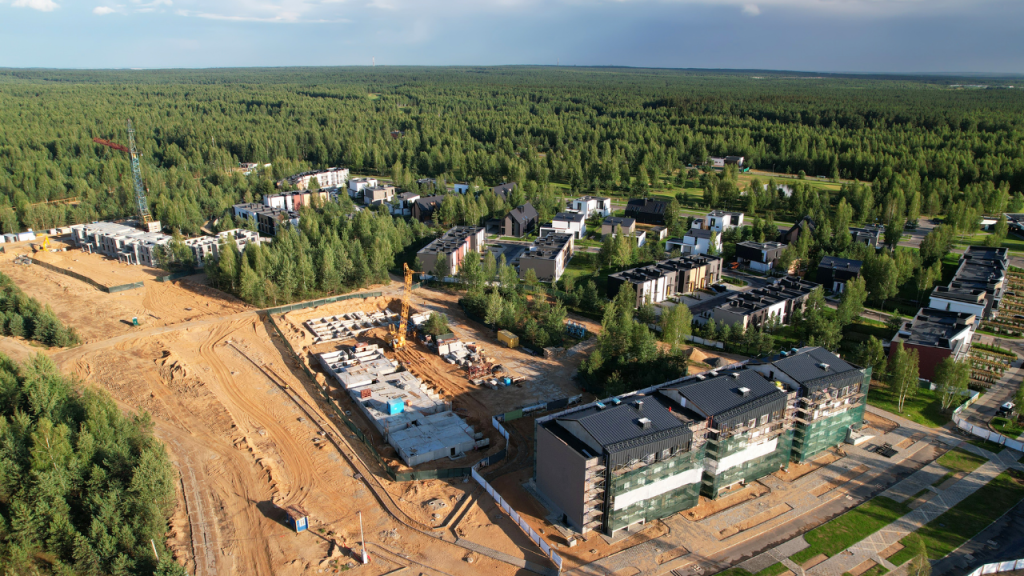
Brownfield development is a good example.
Contamination, remediation, access, infrastructure requirements, neighbouring interests and ground conditions all have cost and programme consequences.
Those risks should not disappear from view once a site moves from appraisal into construction. They need to influence the procurement strategy and the contracts used to deliver the project.
Who carries the risk of unexpected ground conditions?
Who bears the cost if access restrictions affect the programme?
What happens when design development, planning requirements or infrastructure works increase costs or cause delay?
Developers should not be answering those questions for the first time after work has started.
Funding makes this even more important.
The Bank of England’s September Agents’ Summary reports continued weakness in construction, tighter funding conditions and pressure on development viability from construction and finance costs.
A delay which looked manageable during appraisal becomes considerably more expensive once additional interest, professional fees and holding costs begin accumulating.
This is why development due diligence and contractual risk allocation should not be treated as separate exercises.
Identifying a risk before acquisition is useful. Knowing how much it will cost, what it does to the programme and who carries it during delivery is considerably more valuable.
If the contract does not deal clearly with risks identified during the early stages of a project, those same issues have a habit of returning as claims for additional time and money.
The new NPPF also places greater emphasis on early engagement for major developments, including engagement with local authorities, neighbours, infrastructure providers and other relevant bodies.
Developers should use that process to expose problems early, not simply improve the prospects of obtaining permission.
What you learn should feed directly into the appraisal, procurement strategy, programme, funding assumptions and contractual arrangements.
Planning reform might help more sites come forward.
It does not make those sites cheaper, simpler or less risky to deliver.
The stronger development is the one where those risks are identified early, priced realistically and allocated clearly before significant capital is committed.
That principle will also form part of my forthcoming webinar on identifying and assessing profitable development opportunities, where I will look more closely at how land, planning constraints and finance affect development viability before a project gets too far down the road.
Because securing permission is one milestone. Knowing whether the development still makes commercial sense is the bigger decision.
Register your interest for the webinar here: https://www.linkedin.com/events/7501621042897920002/