How to avoid the courtroom in cases of construction disputes
Construction, Dispute Resolution
How to avoid the courtroom in cases of construction disputes
Written by:
Samuel Okoronkwo
Published on:
Share
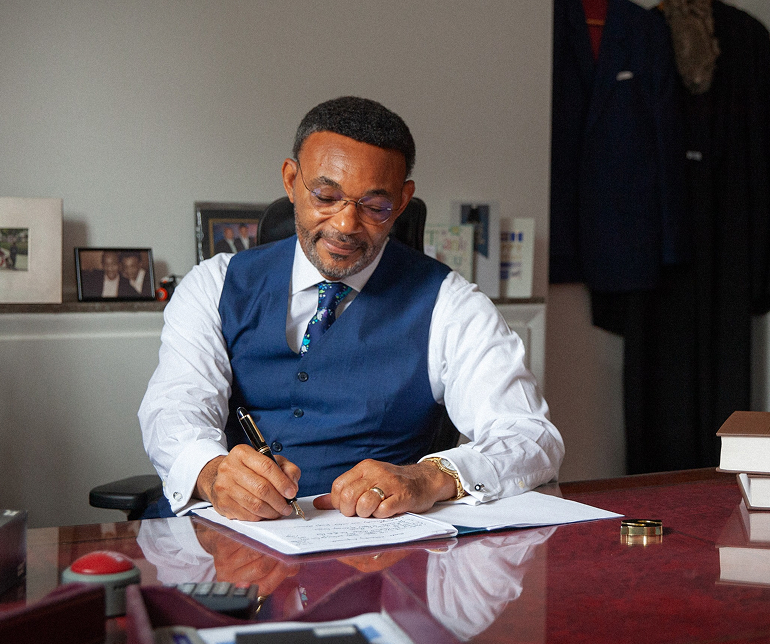
Courtrooms are intense, highly stressful environments. As someone who spends my days in them, it takes many years to build up the kind of armour needed to navigate them – years that you do not have if your first experience of being in one is because of a recent construction dispute.
For this reason, it is understandable that the thought of needing to enter one to resolve a dispute is an unpleasant one. Fortunately there are both preventative measures and alternative routes that can be taken before your dispute reaches this point.
Preventative measures
Planning for a dispute is not planning for a project to fail. If anything, it is a safeguard for the project’s success. Proactive dispute planning before and during construction projects lessens the likelihood that a dispute will arise – even if one still does, these measures will make the road to resolution much smoother.
Contact drafting: Your contract will be your blueprint for dispute resolution and avoidance. Errors or oversights during this stage can cause a prolonged road to resolution or even be the very reason a dispute arises in the first place. Additionally, construction contracts can include areas pertaining specifically to dispute resolution.
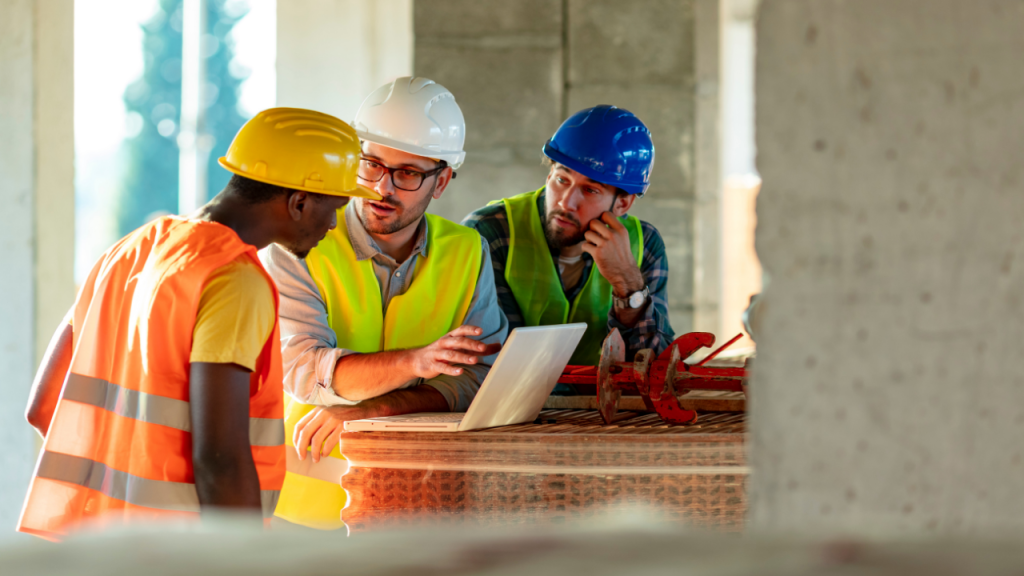
Communication: Establishing accessible channels of communication and holding regular meetings will help prevent disputes being caused by miscommunication. It provides an opportunity to discuss any issues early and ideally stop escalations that lead to disputes.
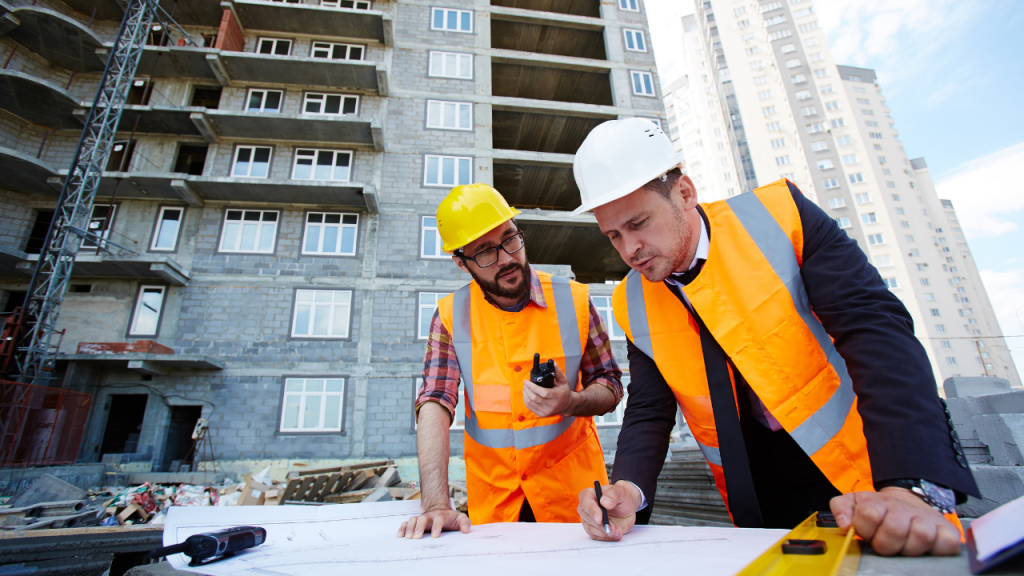
Site management: Keeping project managers involved through active site management provides the opportunity to spot anything that could become a dispute, such as addressing any defects early.
Documentation: Rigorous paper trails through audits, daily logs, meeting minutes and even photographs are both helpful during a construction project and as evidence should a dispute arise.
Alternative routes
Even with the most proactive pre-planning, disputes can still happen. When these situations happen, the courtroom is still not inevitable. In fact, methods of ADR (Alternative Dispute Resolution) exist for the purpose of courtroom avoidance and dispute resolution.
These ADR methods are:
Adjudication: Used most often in construction disputes and provides a fast, interim decision that is binding unless challenged.
Arbitration: A private decision where an arbitrator will hear evidence and deliver a binding decision (also known as an award).
Mediation: A neutral third-party facilitates a conversation between parties with the aim of reaching a voluntary agreement.
Negotiation: Informal discussions that take place between parties (or their lawyers) with the aim of resolving the dispute without third-party involvement.
As stated, adjudication is the preferred method of ADR in the construction industry due to the significant reduction in time and cost compared to traditional litigation – which involved a trip to the courtroom.
If you are considering adjudication (whether as a preventative or reactive measure) get in touch with the team at Mercantile Barristers to further discuss your options.
contact us
Contact Samuel Okoronkwo
Get in touch today to speak directly with Samuel Okoronkwo for expert legal advice and assistance.