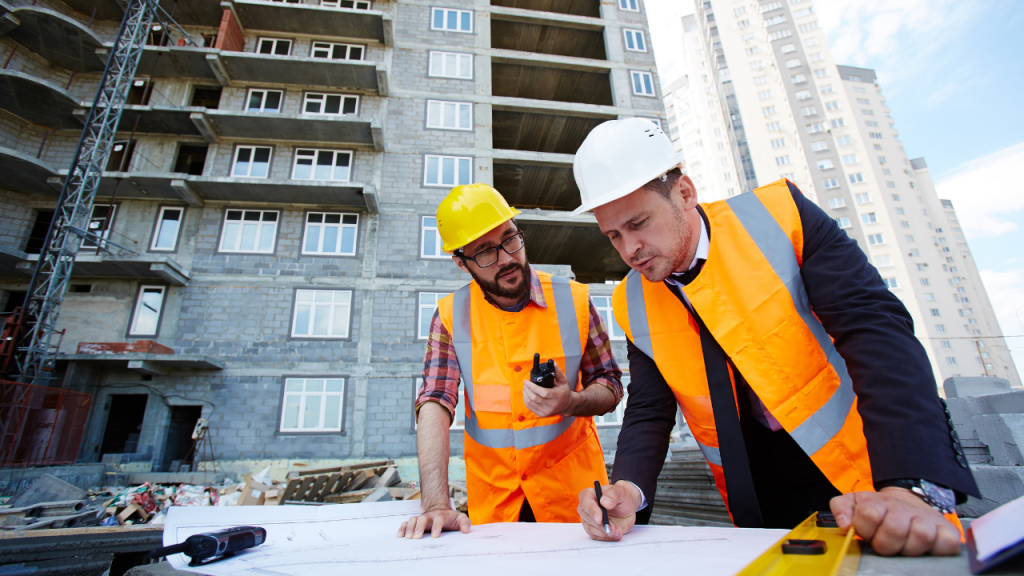
Paper trails are the foundations of construction projects
Construction, Dispute Resolution
Paper trails are the foundations of construction projects
Written by:
Samuel Okoronkwo
Published on:
Share
No building can be built without strong foundations; the same logic can be applied to construction projects and the paper trails they are built on.
With construction projects often being high intensity environments, it is vital that the scope of the project is communicated clearly and concisely at all times. However, the pressure of these environments also make them common for miscommunication and conflicting tensions – especially when the pressure is increased under time constraints.
That is why it is vital that accurate records are kept to ensure everything is kept on track. And yet, many still focus on “getting things done” and “worrying about the paperwork later.” This mentality is not necessarily caused by negligence but a desire to complete a project on-time.
Regardless, the intention behind it does not lessen the impact of any negative fallout caused by this oversight. Accurate records during a construction project are not about ticking compliance boxes but to secure the project itself.
The importance of paper trails in construction projects
Subjectively, we all know that keeping accurate records during the lifecycle of a project is important. But that still does not remove the risk of oversight in favour of speed.
Therefore, it is vital to understand the role these records play in projects.
Project changes: Even with the most ironclad contracts and blueprints, the scope of construction projects are not set in stone. Some allowance must be given for necessary variations such as unexpected site conditions. Failure to properly record and track these changes could result in conflicts that risk project or payment delays.
Compliance and safety: For the protection of everyone involved (even after project completion), the appropriate paperwork must be kept to ensure compliance and safety. During a construction project this will safeguard against any potential injuries that threaten project completion. But, even after a project is complete, a record of compliances and safety is essential for inspections.
Financial accountability: Payment disputes are the most common to halt construction projects. A cohesive record of invoices, receipts, purchase orders and the like keep projects within budgets and stakeholders informed on actual costs vs what could potentially be fraudulent activity.
Communication alignment: There are many moving parts (and people) involved in construction projects. Accurate and timely documents ensure that everyone is aligned and helps avoid any miscommunication risks.
Dispute resolution
Ultimately, an inaccurate or missing papertrail may not seem like much of a threat until it actually is one. Should a dispute arise at any stage during a project’s lifecycle, swift resolution of that dispute will rely heavily on documentation that can be put forward as evidence.
Whether physical or digital, every construction project needs a reliable papertrail to safeguard its completion on time and within budget.
contact us
Contact Samuel Okoronkwo
Get in touch today to speak directly with Samuel Okoronkwo for expert legal advice and assistance.